Client Focused • Results Driven
Hendersonville Drug Crimes Lawyer
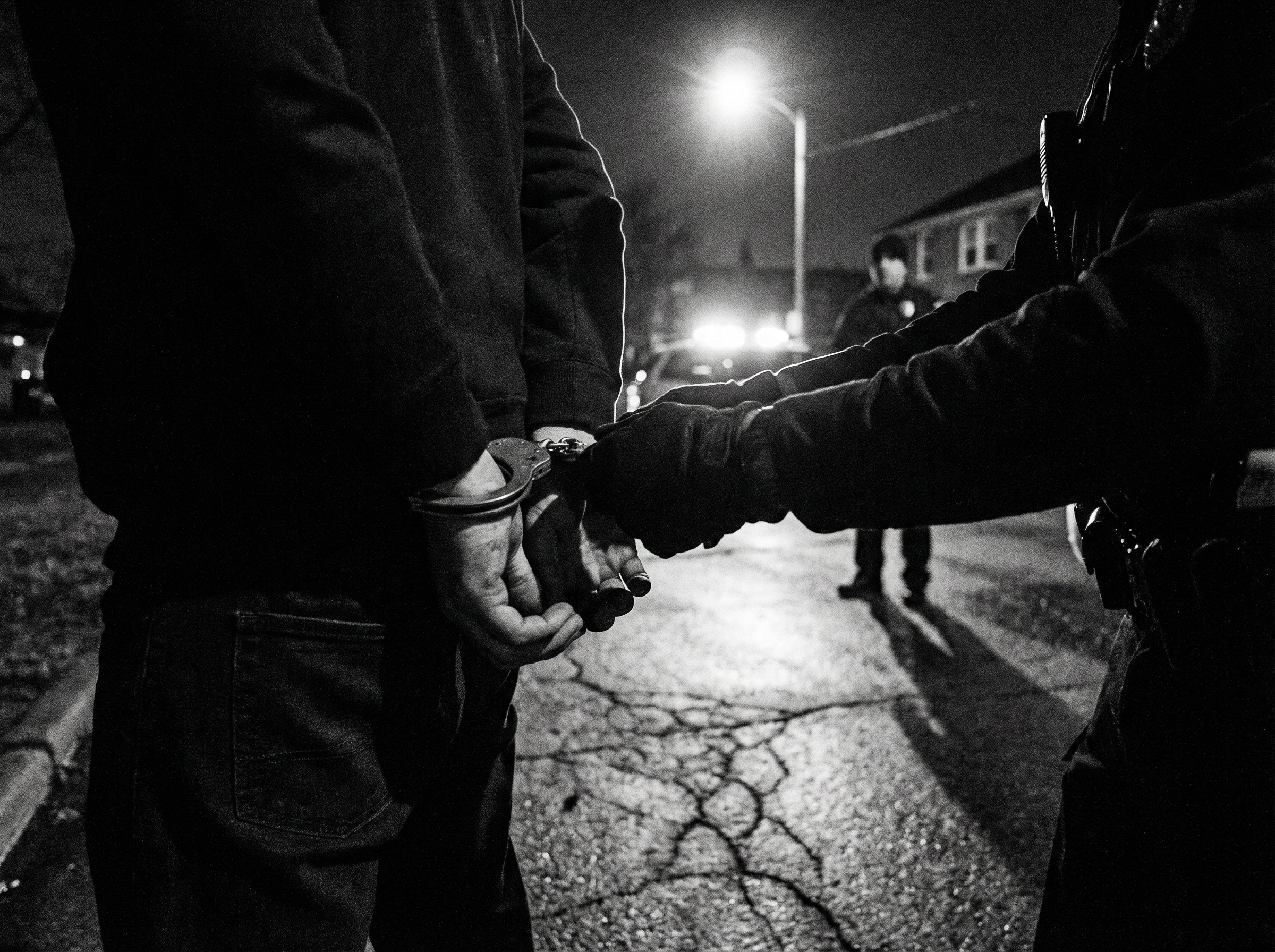
Drug crimes are treated with high severity in North Carolina. State officials often look to apply the maximum pressure on those going through an arrest for drug-related charges. If you find yourself in this position, taking rapid action to safeguard your rights is the best way to move forward. After an arrest, reaching out to a Hendersonville drug crime lawyer allows you to begin working on a strategy for your case.
At the law firm of Brad H. Ferguson, our founder brings more than 15 years of family law and criminal defense experience to your side. We provide representation for individuals experiencing various drug charges, including possession, trafficking, and manufacturing. You can reach our office at (828) 452-1655 to discuss your situation.
Categories of Drug Crimes in North Carolina
An arrest for a drug offense can lead to several different specific charges. North Carolina law views these as major violations that can lead to long-term issues with your reputation and your future. Understanding the different ways the state classifies these crimes is helpful for anyone going through these legal hurdles:
- Possession of a Controlled Substance: This is the most frequent drug charge in the state. It involves having an illegal substance on your person or under your control. This includes items like marijuana, cocaine, heroin, or methamphetamine, as well as prescription pills without a legal doctor’s note. The specific drug and the weight involved determine if you face a misdemeanor or a felony.
- Possession with Intent to Distribute: Police may bring this charge if they find a large amount of drugs or tools like scales and baggies that suggest you planned to sell them. This is a step up from simple possession and carries harsher punishments.
- Drug Manufacturing: This involves the creation or growing of illegal substances. In our region, this often relates to the production of methamphetamine in labs or growing marijuana plants. Because it involves the production of drugs, the state pursues these cases aggressively with the threat of prison time.
- Drug Trafficking: This is one of the most serious felonies a person can face. It is triggered solely by the weight of the drugs found, regardless of whether you intended to sell them. Large-scale cases may even draw the attention of federal agencies. Convictions often lead to mandatory minimum prison sentences and high fines.
- Drug Paraphernalia: You do not have to possess actual drugs to face a charge. Having items used to smoke, inject, or package drugs, such as pipes or syringes, is a crime. This is typically a Class 1 misdemeanor that can still lead to jail time.
- DUID: Driving under the influence of drugs is handled similarly to a DWI. If a substance impairs your ability to operate a vehicle safely, you can be arrested. Punishments often involve the loss of your driver’s license, high court costs, and possible time in jail.
North Carolina Controlled Substance Schedules
The state organizes illegal substances into six groups known as schedules. This system ranks drugs based on their danger and whether they have a medical use. Schedule I includes the most restricted substances, while Schedule VI includes those with the lowest perceived risk.
- Schedule I: These are narcotics or hallucinogens with no medical use and a high risk of addiction. Possession can lead to up to five years in prison.
- Heroin
- LSD
- Peyote
- Mushrooms (Psilocybin)
- Ecstasy (MDA/MDMA)
- Schedule II: These have a high addiction risk but some restricted medical uses. Possession of small amounts may be a misdemeanor, but larger amounts or any amount of cocaine is a felony.
- Cocaine
- Methamphetamine
- Fentanyl
- Oxycodone
- Codeine
- Schedule III: These substances have a moderate risk of physical dependence and are used in medical settings. Possession of more than 100 units is a felony.
- Ketamine
- Anabolic Steroids
- Specific Barbiturates
- Schedule IV: These drugs have a lower risk of abuse and are common in medicine, though addiction is still possible. Possession of large amounts is a felony.
- Xanax
- Valium
- Clonazepam
- Barbital
- Schedule V: These have the lowest risk among controlled medicines. Possession can lead to up to six months in jail.
- Prescription cough medicines with codeine
- Schedule VI: This category is for substances the state deems the least dangerous, though they remain illegal.
- Marijuana
- Hashish
- Synthetic cannabinoids
Common Questions Regarding Drug Charges
Do first-time drug offenders go to jail in North Carolina? Jail time is possible even for a first offense. While some people experiencing their first arrest for minor possession might receive a suspended sentence or probation, more serious crimes like trafficking carry mandatory prison terms that a judge cannot ignore. Your outcome depends on the schedule of the drug and the specific charge.
How much does a drug crime lawyer cost in North Carolina? Legal fees are not fixed and change based on the details of your case. A lawyer looks at the complexity of the charges, the amount of evidence the state has, and how much time is needed to build a defense. A case involving a simple misdemeanor will differ in cost from a high-level felony trafficking case.
What amount of drugs is considered trafficking in North Carolina? Trafficking is defined by weight. For example, having 10 pounds or more of marijuana, 28 grams or more of cocaine, or 4 grams or more of heroin will trigger a trafficking charge. Once these weights are met, the law requires specific minimum prison sentences upon conviction.
What is the law on drug possession in North Carolina? The law focuses on what you had and how much was there. Possession of any amount of a Schedule I drug is a felony. For Schedule VI drugs like marijuana, having less than half an ounce is a misdemeanor, but having more than one and a half ounces becomes a felony.
Speak With a Hendersonville Drug Defense Attorney
Dealing with drug charges is a heavy burden. The law firm of Brad H. Ferguson is ready to help you look at the facts of your case and find a path forward. We can help you check the evidence, look for mistakes in the police report, and work to get your charges lowered or dismissed.
Experiencing a legal crisis is difficult, but you do not have to go through it alone. Call us at (828) 452-1655 to set up a time to talk about your defense.